
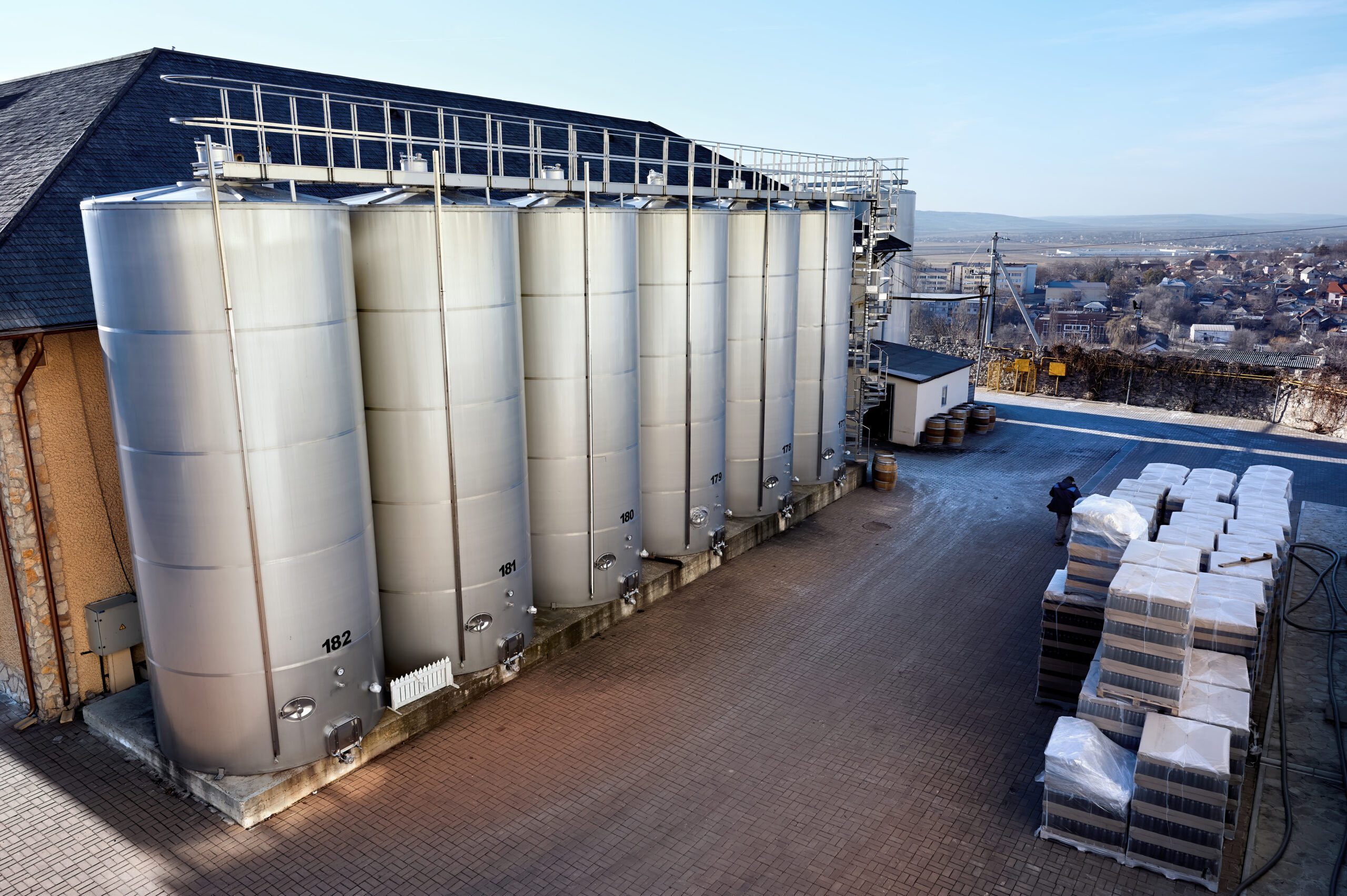
Installing a silo is an investment that can streamline both storage and logistics in agriculture and industry. For the facility to function optimally, planning, the right equipment and careful work are required. Here we go through the process step by step.
Step 1: Prepare the ground
A stable foundation is crucial. Often a concrete slab with reinforced rebar is poured that can bear the calculated load from both the silo and the grain. Drainage around the slab reduces the risk of moisture damage.
Step 2: Delivery and inspection of silo parts
When the material arrives, everything should be carefully checked – from plates and bolts to roof sections and bottom plates. Any transport damage must be addressed immediately.
Step 3: Installation of bottom and wall sections
Installation always starts from the foundation. The plates are mounted in rings, which step by step are built upwards. The bolts are tightened with a torque wrench to ensure strength.
Step 4: Roof installation
When the silo's walls are finished, the roof sections are mounted. A lifting crane or winches are often used to lift into place. Seals are important to prevent water penetration.
Step 5: Installation of accessories
Hatches, ventilation, ladders, measuring equipment and safety systems are mounted in the final stage. Here it is important to follow the manufacturer's instructions.
Step 6: Final inspection and safety test
Before the silo is taken into operation, a thorough inspection is carried out. All bolts, seals and safety devices must be checked.
Summary
Proper installation of silos is crucial for both function and service life. With professional help, the risks of errors are minimized and you get a facility that lasts for many years.